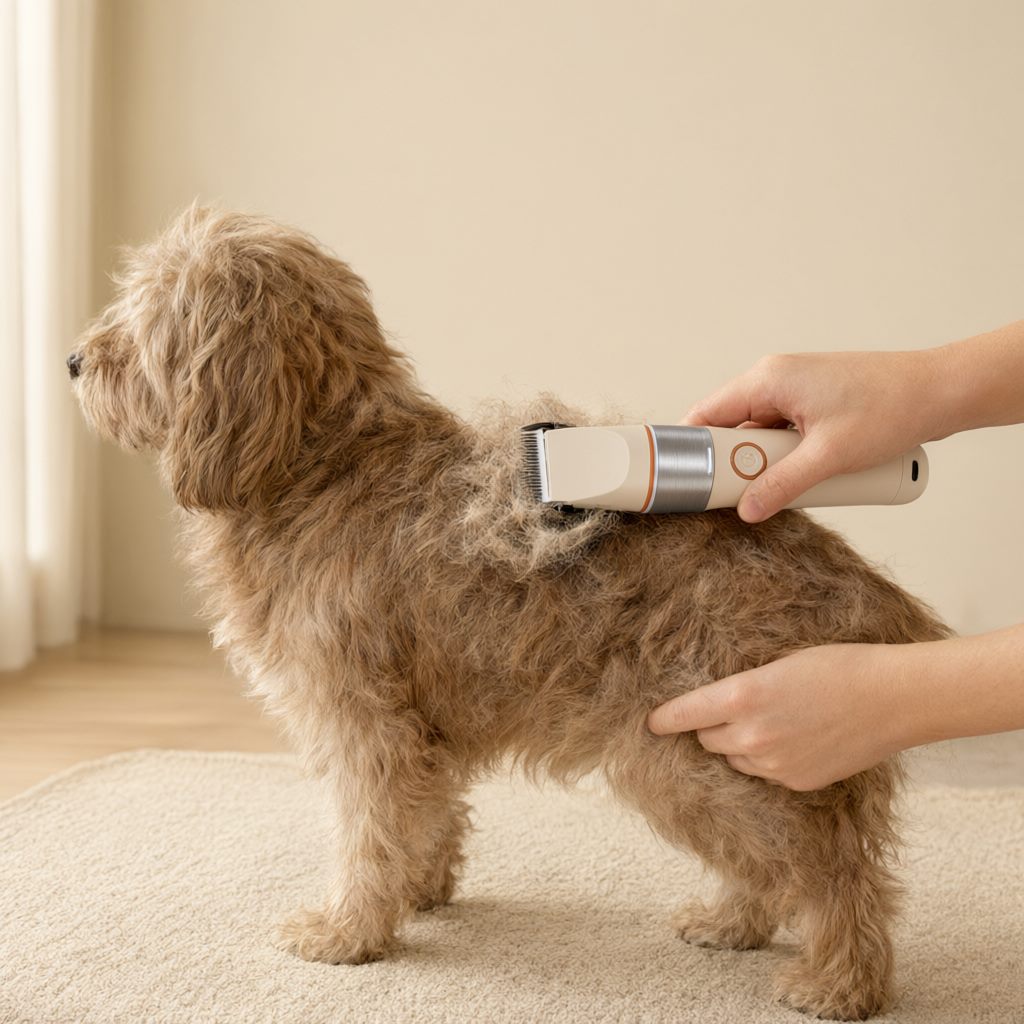
The first home groom
Fifteen minutes, one comb, one direction. How to end the session with a calm animal rather than a perfect haircut.
Using the Glide P1
Let the clipper run in the room for a minute before it touches the coat, then rest the flat back of the running clipper against a shoulder so the vibration is felt before the blade is. Start with the 12 mm comb along the back — the least sensitive area — and stop while it is still going well, even if you only did one side. Two short sessions beat one long argument.
12 mm is the safe default for a first home groom on almost any coat. 9 mm for a tidy summer length on terriers and spaniels. 6 mm for a short, easy-care body clip. 3 mm is short — on most dogs you'll see skin through it. Bare blade (0.8 mm) is for paw pads and sanitary areas only.
Cats: never below 6 mm on the body.
Nine times out of ten the coat is damp, dirty or matted — clippers only cut clean, dry hair. Brush the area out first. If it still pulls, take the head off, brush the teeth clear of packed hair, rinse, dry fully and add two drops of oil along the blade. If the pulling continues after that, the head is dull: send it in for free sharpening.
Not through the mat. Never try to cut a mat out with scissors either — skin lifts into the knot and it is very easy to cut. Work the bare blade underneath the mat, flat against the skin, and lift it away in one piece. If the coat is matted over more than a quarter of the body, that is a groomer's job.
Two drops along the teeth after every groom, run the clipper for five seconds, wipe the excess. It takes fifteen seconds and roughly triples the life of a blade.
Some won't, and that is a fair answer from a cat. Try low speed, a 9 mm comb, and one small area a day — usually the base of the tail or the back of the thighs where mats form first. If the cat is genuinely distressed, stop. A sedated groom at a vet is kinder than a fight.
The product
180 minutes per charge, and about 800 full charge cycles before capacity drops noticeably. The cell is replaceable — order one from the accessories page and we'll fit it at the workshop free, or send it with a fitting guide if you'd rather do it yourself.
Yes. Plug in the USB-C cable and it runs at full speed. Ten minutes of charge is enough for a paw trim.
The blade head detaches and is rinse-safe under a tap. The body is not waterproof and must not be submerged or used in the bath.
A slow red pulse means under 10% battery. A fast red flash means the blade is jammed — switch off, clear packed hair from the teeth, and restart. A continuous red means the thermal cut-out has tripped: leave it ten minutes to cool. If it persists, email us and we'll replace it under warranty.
No. The metal spine and click depth are specific to the Glide P1 head, which is why our combs don't pop off mid-stroke. Replacements are $12–$19 and sold singly or as sets.
Shipping
Returns
Warranty
The motor and battery are covered for two years from delivery against any fault that isn't accidental damage. If something fails, we repair it; if we can't repair it, we replace it. There is no registration step — your order number is the warranty.
Every Glide P1 ships with a prepaid sleeve. Drop a dull blade head in it and post it; we regrind the ceramic, re-coat the cutter, re-set tension and send it back, typically within seven business days. Lost the sleeve? Email us and we'll post another.
There is no limit, no fee, and no expiry, for as long as you own the clipper.
Drops, water damage from submersion, and blades dulled by ordinary use — those we sharpen free instead. Combs and cables are covered for one year against defects.
Grooming guides
Fifteen minutes, one comb, one direction. How to end the session with a calm animal rather than a perfect haircut.
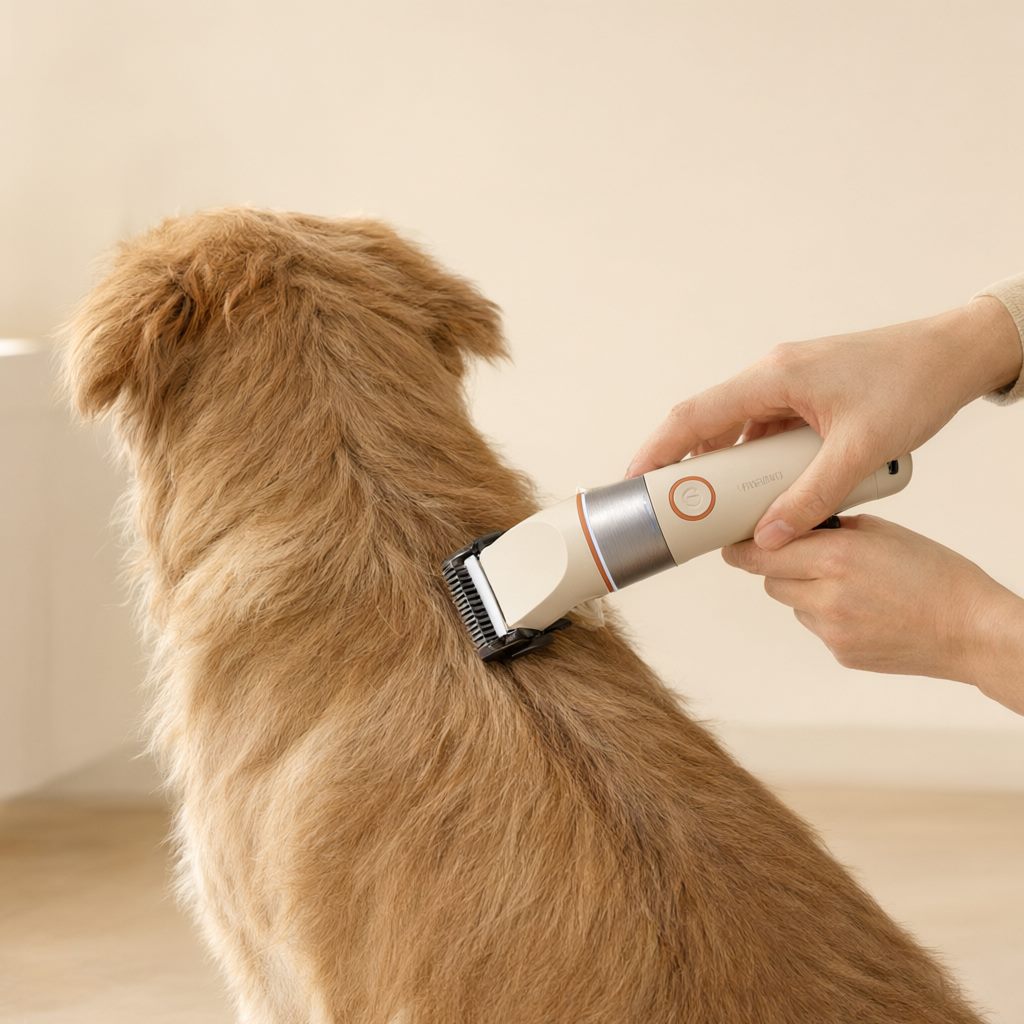
Why a double coat should be raked and not shaved, and which length suits terriers, spaniels, doodles and cats.
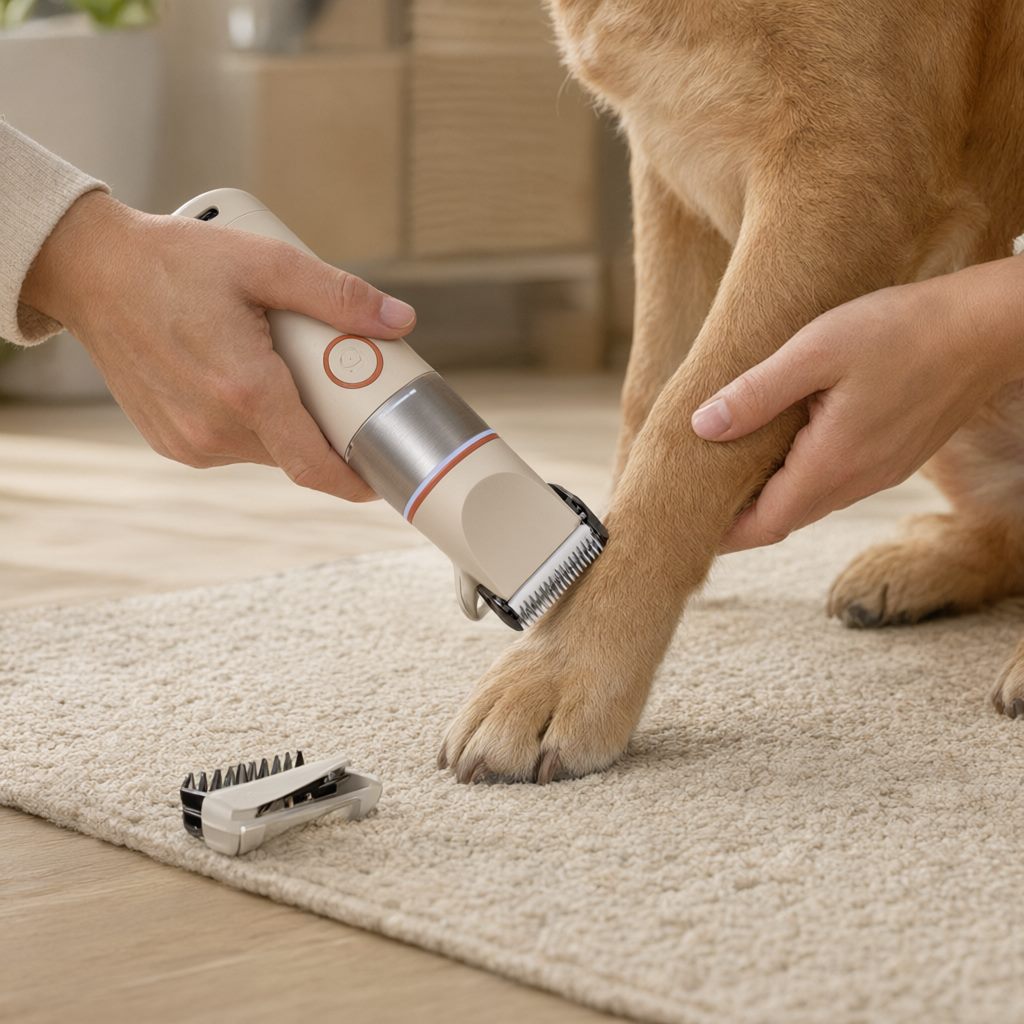
The three areas that go wrong most, and the hand positions that keep the blade off thin skin.
Policies
Privacy, terms and returns are published in full on their own pages, so you can read, link and cite them without hunting through an accordion.